
Hello everyone ! Welcome back ! It’s been a very long time… Seems I may finally able to come back around here… Fingers crossed; let’s all touch wood for protection and make sure it does happen !
Today I’m not gonna tell you about my (very) long absence or why I may be able to come back. I would rather keep that for another time, when things on the blog get more settled back.
Today, let’s dive into a familiar topic on this blog: cooking. That’s right. Since the beginning of Autumn, I’ve found myself making all sorts of stew quite often. Over the past years, I think I was very intimidated with these recipes and consequently avoiding them. However, I recently had really no other choice than to make some since I had some ingredients, namely particular meat pieces, that I couldn’t cook otherwise. Being forced to do it helped me overcome my fear of not being able to do to it properly. This is how I kinda got into making more stew pots. And it seems I kinda enjoy it now. I find it not so difficult after all and quite convenient, especially during the bad season. How ironic ! It shows that being afraid of doing something is quite useless, since one day you’ll have to do it eventually and you might even realise this is a process you can enjoy. So, let’s all take this as a life lesson for all of us: don’t be afraid to do something, get yourself into it, and just enjoy doing it. Sometimes, it’s just simple as that;
So today, I would like to share with you some of the stew recipes I’ve been making lately. Recipes that’ll get us all through the harshness and greyness of late-Autumn and Winter, until the joys of Spring come back to us. Recipes that’ll fill our stomach and heart along the way. Recipes that’ll bring our families together around the table with warmth.
First things first. For those of you who aren’t quite familiar with stew, like I used to, it’s actually quite simple. There’s usually a basic pattern to follow, a pattern you can adjust and even add on depending on your skills or your ingredients. Let’s have a look at this basic pattern.
You’ll need:
- a cooking-pot (cast-iron ones are the best)
- 2 or 3 onions (depending on their sizes)
- some butter
- some chunky bacons
- a stock cube (infused into ___mL of boiling water)
- some wine ( the cheapest you can buy, since it’s been used for cooking, the quality doesn’t matter)
- a piece of meat (usually the ones kept for stew)
- some mushrooms
- other vegetables
The process is quite simple.
First, you roast the cut onions into the pot with the butter. Wait till they melt, while stiring all the way. Then you add your bacons. Same process.
Add the meat piece(s), and brown it on both sides. Then add your mushrooms, the wine, the infused stock cube and all the veggies on top. Add some water if necessary.
Put the lid on and turn on low fire. Let it cook alone for a few hours. Check on it from time to time, give it a stir so that all the flavours blend in together.
That is the basic pattern I usually follow. Sometimes, I add some flour on the meat (like with the bourguignon stew), in order to get a more consistent sauce. Depending on the type of meat (beef, chicken etc), I’ll choose different veggies, or add olives or others. I may be adding some cream at the end. I’ll also use different types of wine, depending on the meat I’m cooking.
- Red wine will be for beef, sometimes veal.
- White wine (the one I use the most, I confess) will be for chicken, veal or pork.
- Rosé wine will be the alternative option for white wine, especially if I want to achieve a more provençal-ish style.
- I’ve never tried with beer, but I think it could be an option.
Now, let me give you different types of stew I regularly make.
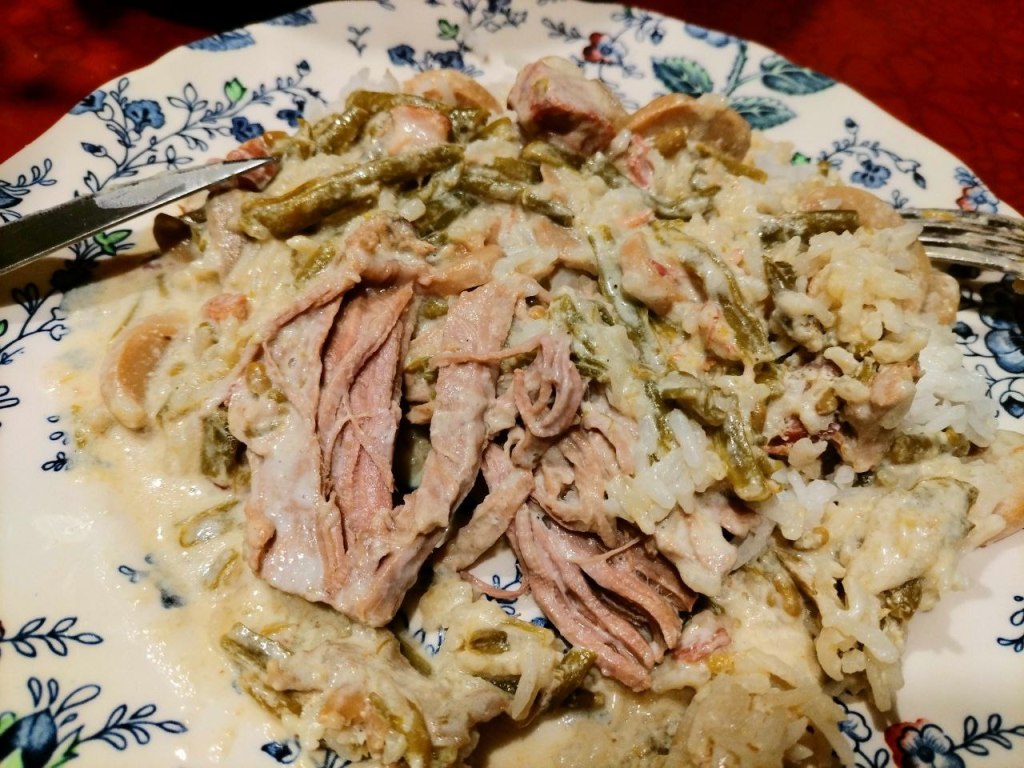
#1 Creamy Simmered Veal.
In addition to the basic stew pattern, this one uses a piece of veal, some white wine, some string beans as veggies and some cream added for the last 15 minutes or so. Serve with rice.

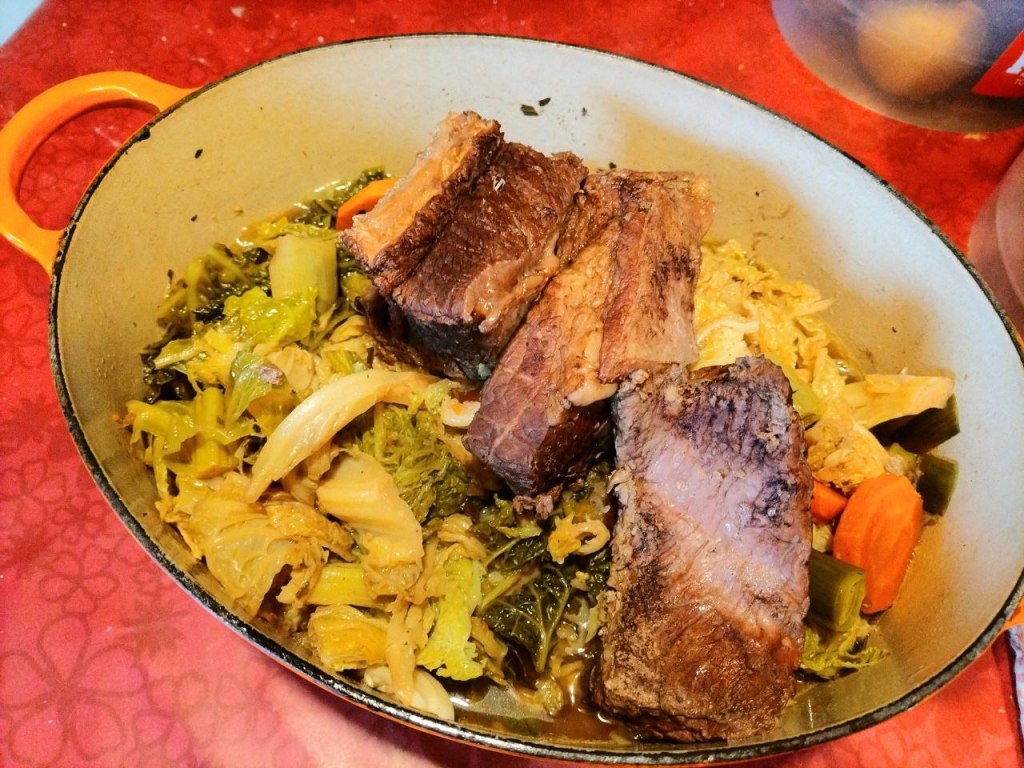
#2 Cabbage Beef Shank.
You guessed it, the main veggie for this one will be green cabbage leaves (the best is to cut the leaves into smaller pieces). Add some carrots, some red wine but no mushrooms for this one.

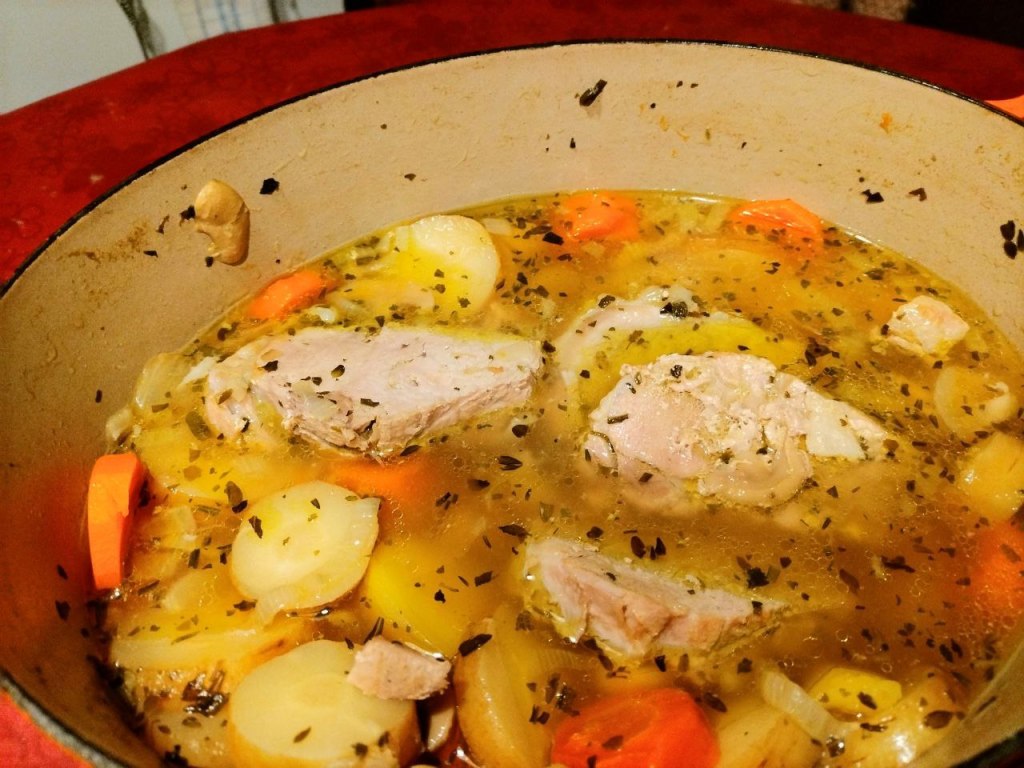
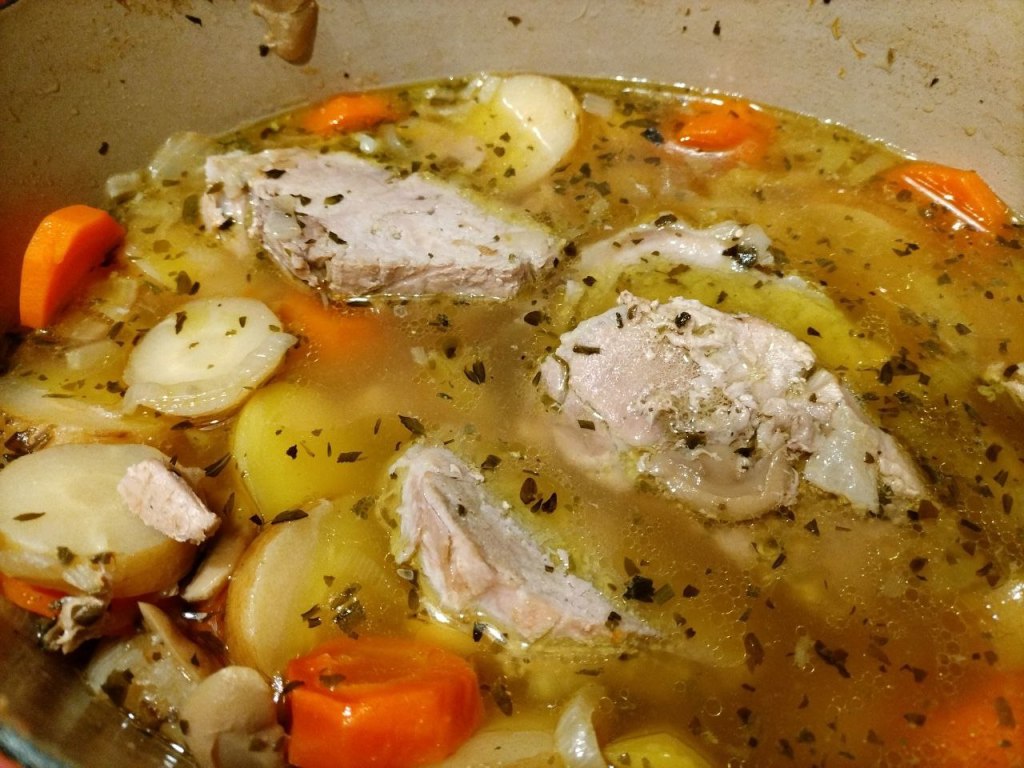
#3 Classic Pork.
This one involves some pork, shank or filet mignon, or any other piece. White wine seems to be the best option for this one. As your veggies, use potatoes, carrots, parsnips and mushrooms. Adding cream at the end would be great too.
For more inspo, have a look at my other stew recipes from the previous years:
- Bourguignon Stew
- Mediterranean Chicken Stew
- Coq au Vin aka Traditionnal Chicken Stew
- Winter Beef Stew


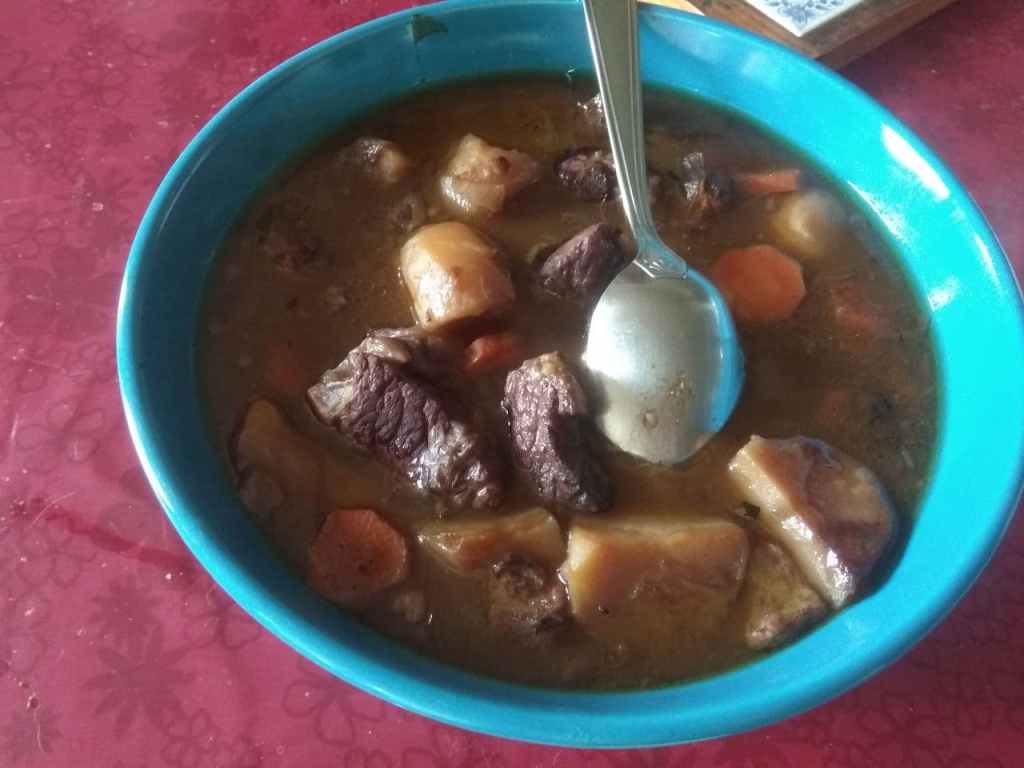
I hope you enjoyed these recipes and tips for easily making delicious stew for the upcoming Winter.
Thank you all for being patient over the last months (even year…) while I was away and the blog got no really updating or new content. Thank you to those who kept have a look at the blog and all my content. You were the ones who kept my blog alive even though I wasn’t feeding it. Thank you 💖.
Thank you for passing by and reading my blog. It means a lot to me.
I’ll talk to you in a next post.
Until then, take care of yourself,
Ady ❤

 Little House of Ady